Residential Solar Solutions for Central Florida Homeowners
Explore residential solar options based on your home, energy use, and long-term goals. Alpes Homes Solutions helps Central Florida homeowners understand available solar solutions and make informed decisions with personalized guidance and free estimates.
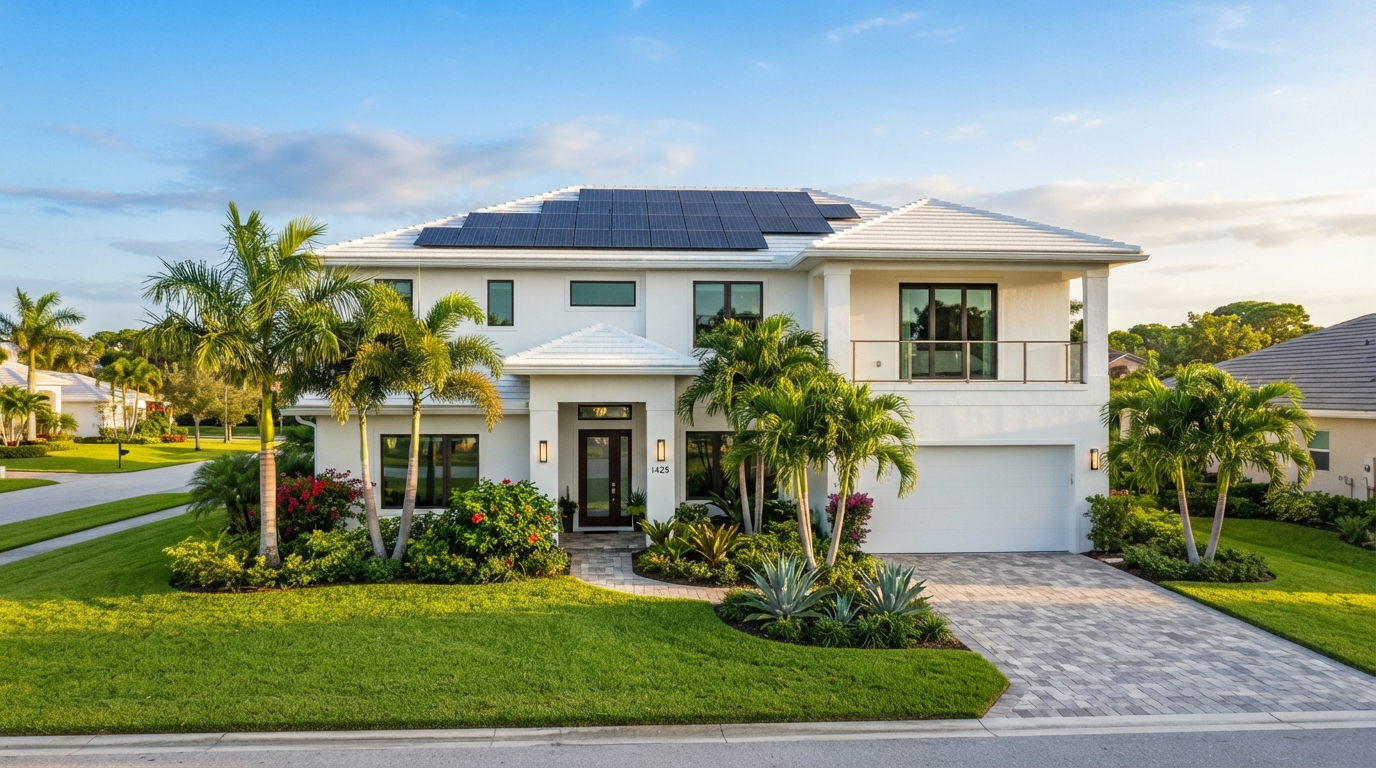
Why Do Homeowners Consider Solar?
Every homeowner's motivation is a little different. Here are some of the reasons people begin exploring residential solar.
Generate Electricity at Home
Residential solar allows a home to generate electricity from sunlight for use at the property.
Reduce Reliance on Utility-Purchased Electricity
When the system is producing electricity, the home may use that solar production instead of purchasing the same amount of electricity from the utility. Actual results vary by system and household.
Think Long-Term About Energy Costs
Solar can give homeowners another way to evaluate their long-term household energy strategy.
Make Use of Available Roof Space and Sunlight
For suitable homes, rooftop space can be used to generate electricity.
How Does Residential Solar Work?
The basic flow of a residential solar system is simpler than it sounds.
Sunlight
Solar panels capture sunlight
Solar Panels
Produce direct-current electricity
Inverter
Converts to alternating current
Your Home
Powers your household
Utility Grid
Electricity may move between home and grid
1. Solar panels convert sunlight into direct-current electricity.
2. An inverter converts that electricity into alternating current used by the home.
3. The home can use electricity produced by the solar system.
4. Depending on system production, household usage, and utility rules, electricity may also move between the home and the utility grid.
A Solar Estimate Should Be Based on Your Home
A meaningful solar evaluation should consider actual household and property information instead of generic promises. A personalized conversation can take into account factors such as:
- Recent electricity usage
- Property location
- Roof characteristics
- Available sunlight
- Potential system sizing
- Homeowner goals
- Applicable utility conditions
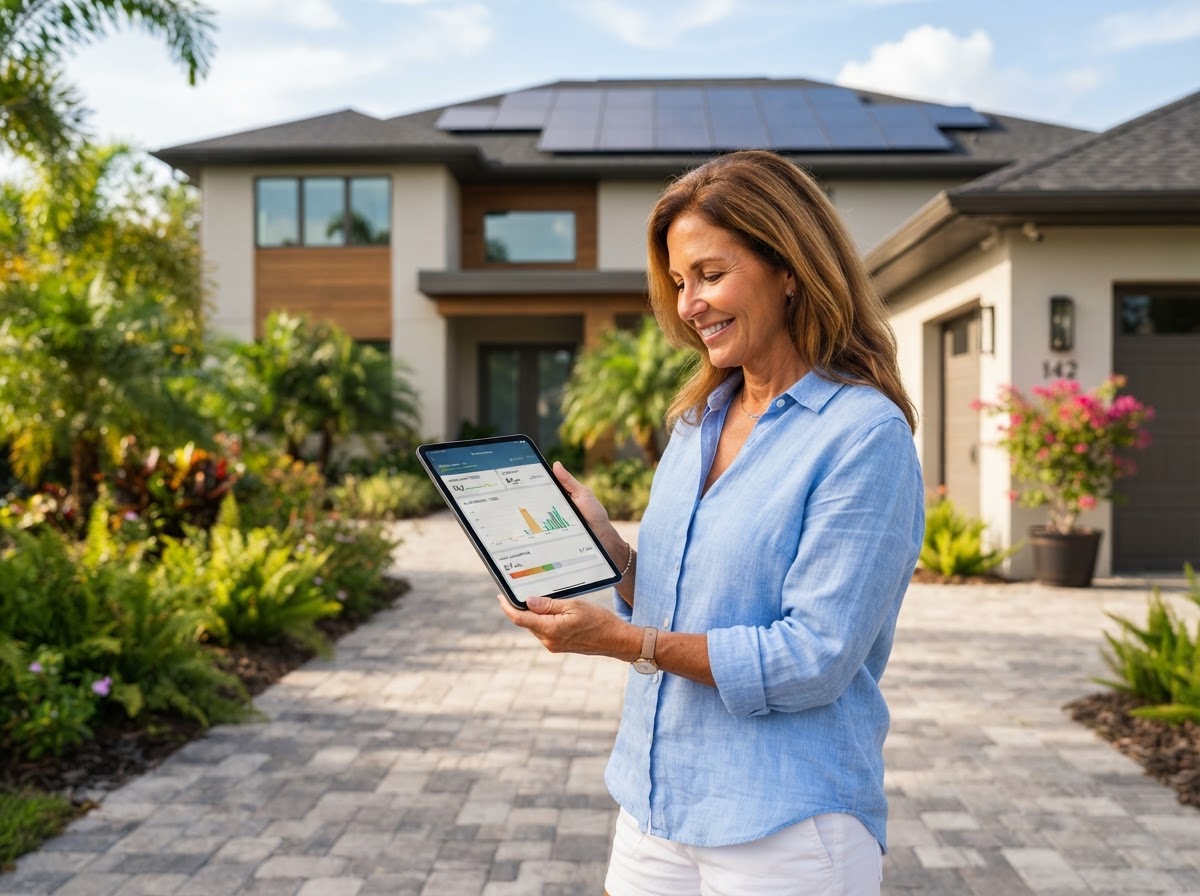
Explore Your Solar Options in a Few Simple Steps
A straightforward, low-pressure way to learn what solar could mean for your home.
Request a Free Estimate
Provide basic information about your home and solar interest.
Review Your Home and Energy Needs
Explore the important property and household factors that may affect solar options.
Explore Your Options
Review potential solar solutions based on the available information.
Make an Informed Decision
Take the information you receive and decide whether solar makes sense for your home and goals.
Know What to Ask Before Going Solar
These are questions every homeowner should feel comfortable asking before making a solar decision.
Solar Considerations for Florida Homeowners
Florida offers significant access to sunlight, but the performance and economics of a residential solar system still depend on the specific property, system design, household electricity usage, and utility conditions.
Utility rules can vary by provider. Homeowners should verify current solar interconnection and billing rules with their applicable utility.
About Incentives & Tax Credits
Solar incentives and tax-credit programs can change over time. Before making a decision, homeowners should verify current information using reliable, up-to-date sources.
For deeper, current solar information, visit our Florida Solar Homeowner Guide. We do not provide tax advice.
Solar & Power Outages
A typical grid-connected solar system generally disconnects from the utility grid during a power outage for safety. Backup capability normally requires additional, appropriately configured equipment. Standard rooftop solar alone does not automatically keep a home powered during an outage.
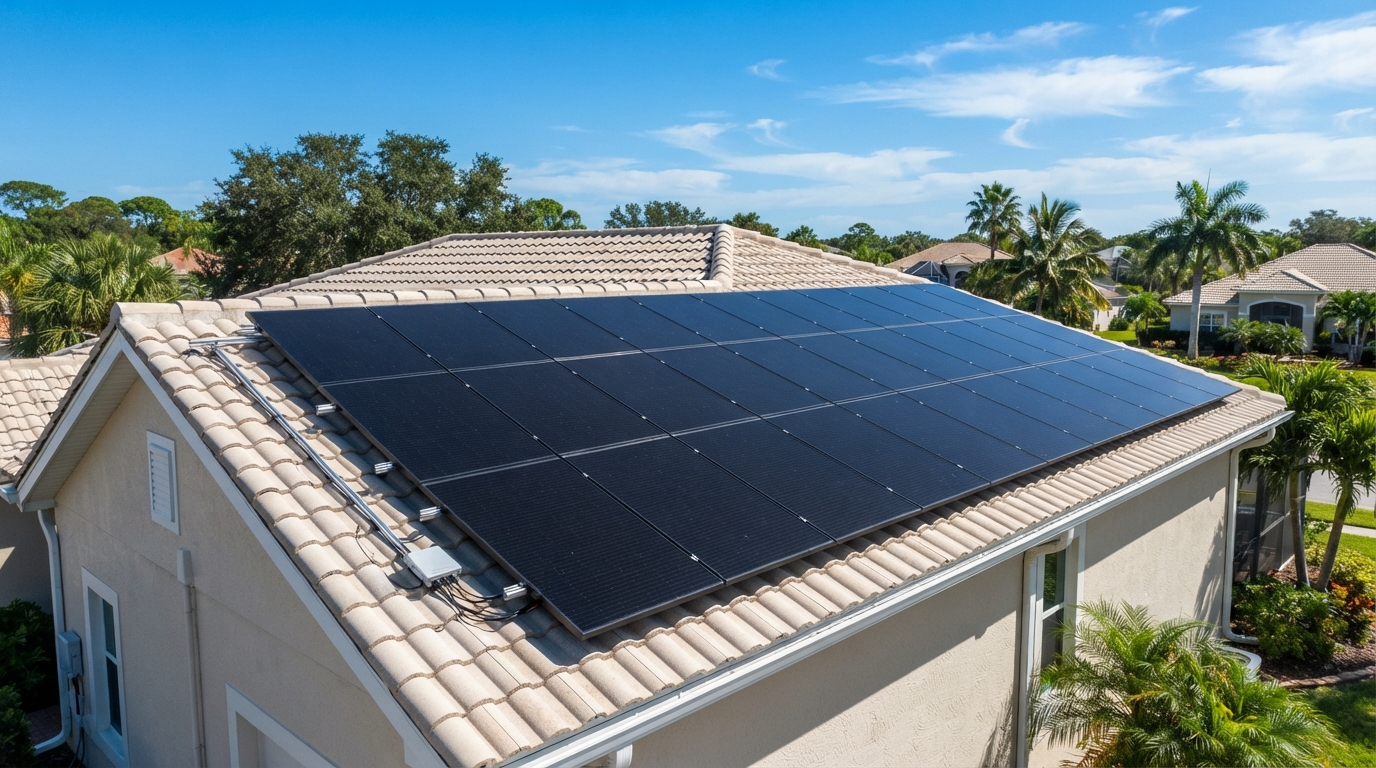
Residential Solar Questions
Straightforward answers to common questions about residential solar.
See What Solar Could Look Like for Your Home
Every property and household is different. Start with a personalized conversation about your home, energy use, and solar goals.
Wondering if solar is available in your area? View our Central Florida service areas to see where Alpes Homes Solutions currently serves homeowners.
Call Us
(813) 548-3510
Service Area
Serving Select Central Florida Communities